Skip to Content
Home / Solutions / Solidot
Solidot · Batteries

Fully automated battery drying lines

This batteries application uses Integrated remote I/O to address field control, reliable communication and maintainable commissioning.
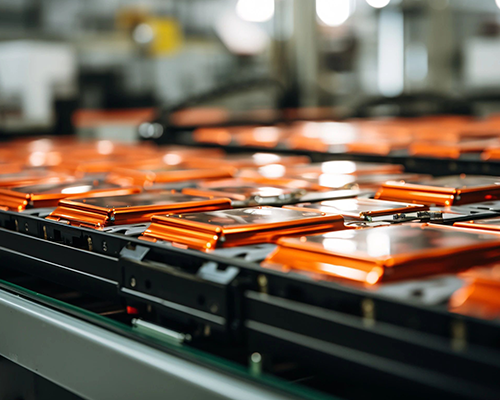
Fully automated battery drying lines

Application requirements

I/O density, cycle time, motion or process requirements, field distances and maintenance needs are assessed together. This defines the requirements of the working system, not just individual products.

Solution architecture

The proposed architecture combines Integrated remote I/O with the machine’s existing control infrastructure and communication protocols. Final product and module selection depends on site requirements.

How can ProControl help?

ProControl can adapt the solution to local project requirements in Türkiye, from site assessment, I/O planning and protocol selection to panel layout, commissioning and after-sales support.

Official application content

Technical details, tables and application images

The technical workflow and visual information from the manufacturer are presented below.

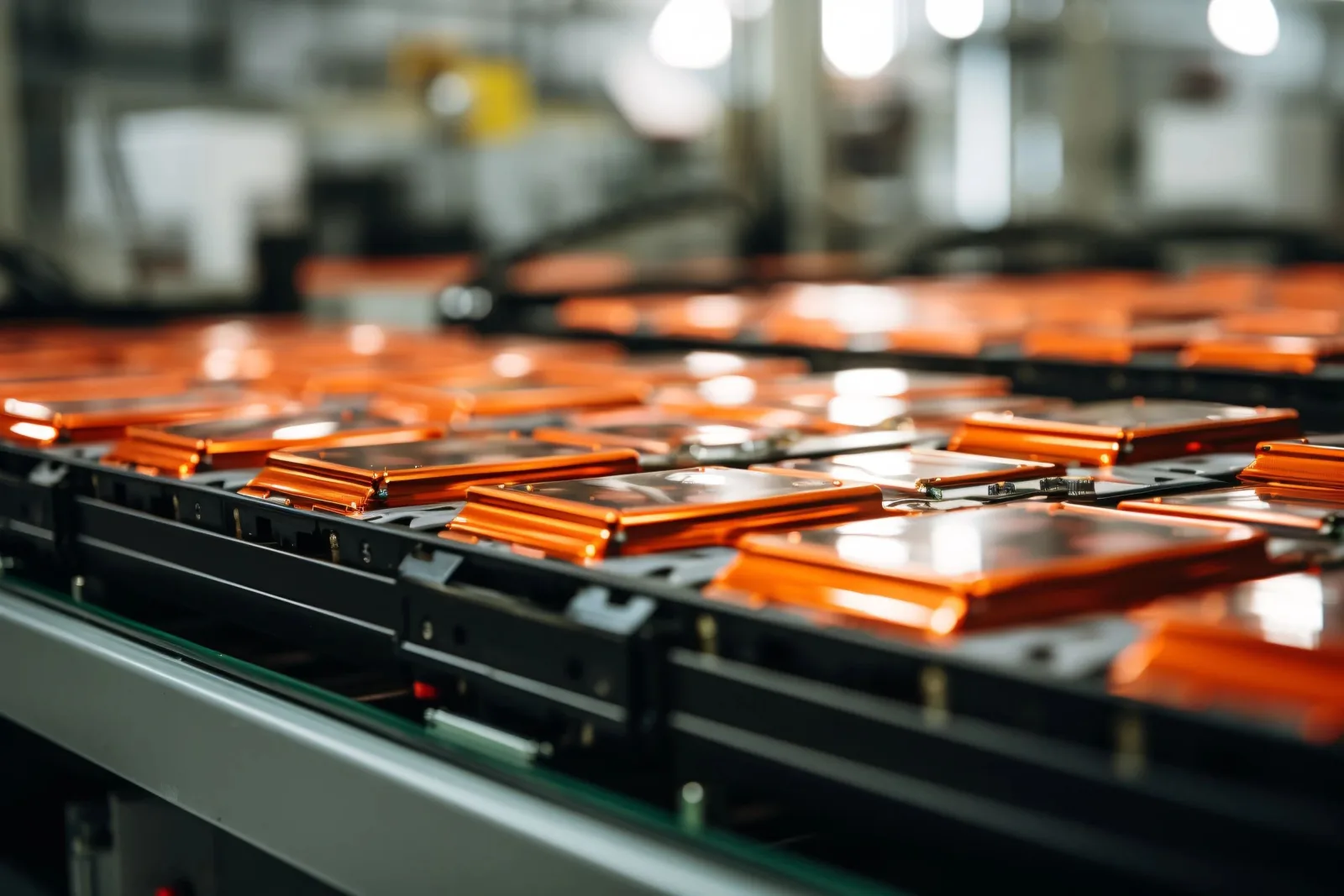
The fully automated lithium battery drying line is a core process in power battery production. It controls battery moisture content through vacuum baking to ensure cell performance and safety. This line integrates multiple automated processes including barcode scanning, robotic arm loading/unloading, transfer, vacuum baking, and quality inspection, enabling continuous and efficient processing from cell feeding to baking completion.
Manufacturer application image
Official manufacturer application image

I. Production Process Overview

Workflow:

  • Battery Scanning Barcode scanners automatically read cell codes before entering the drying line, providing data for process parameter matching and quality traceability.
  • Battery Loading Robotic arms grasp batteries and secure them in dedicated fixtures with built-in positioning sensors, ensuring precise alignment with baking chambers to prevent uneven heating.
  • Fixture Transfer Fixtures are moved to vacuum baking chambers, with real-time monitoring of position signals and limit feedback to avoid collisions or deviations.
  • Vacuum Baking After vacuumization, high-temperature baking initiates. The system dynamically adjusts heating power and vacuum valve openings by synchronously collecting temperature, pressure, and time data, ensuring moisture removal efficiency and process consistency.
  • Battery Unloading Post-baking, robotic arms unload batteries for quality checks, and fixtures return to initial stations for reuse.

II. I/O Module Implementation

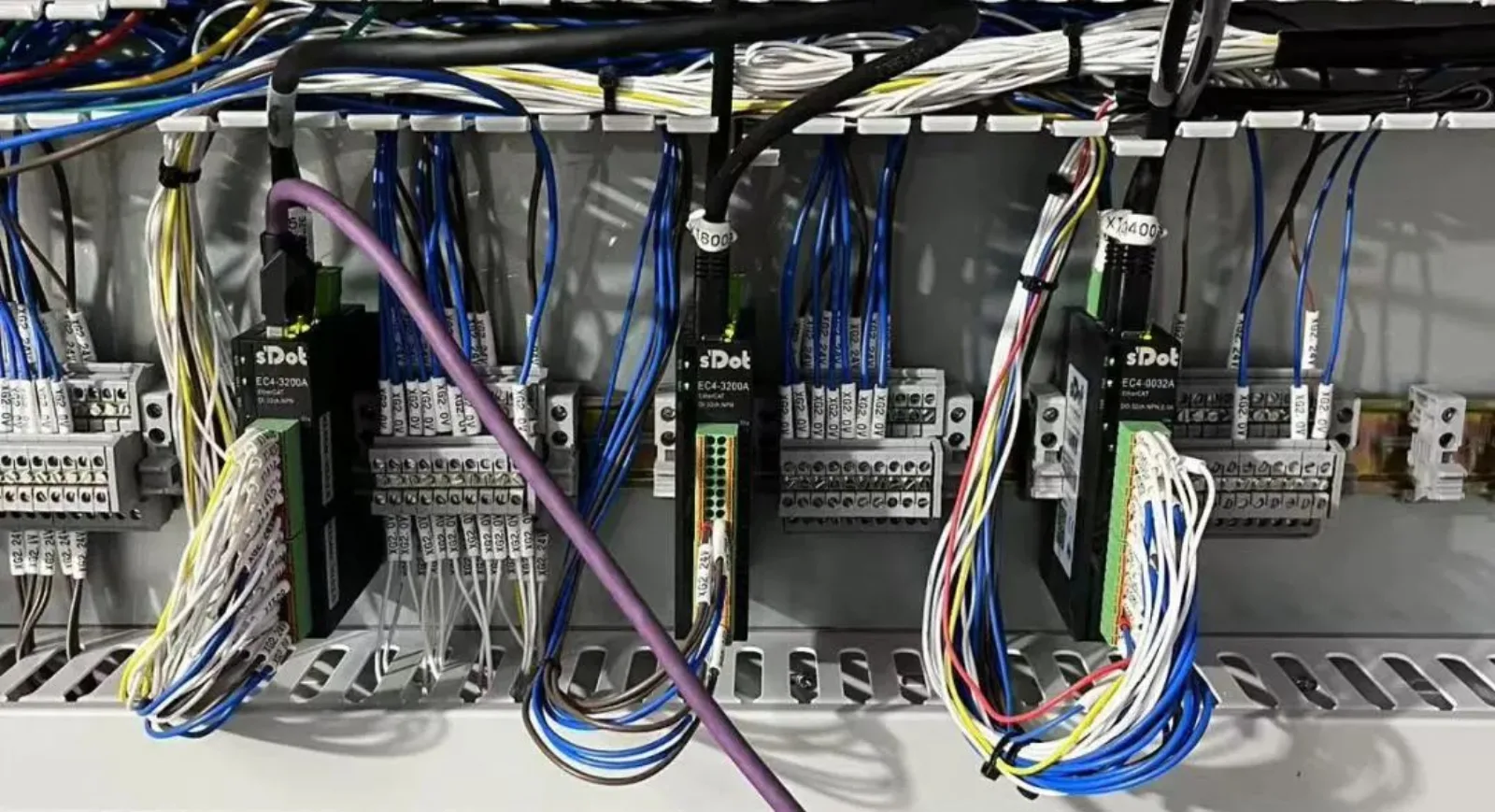
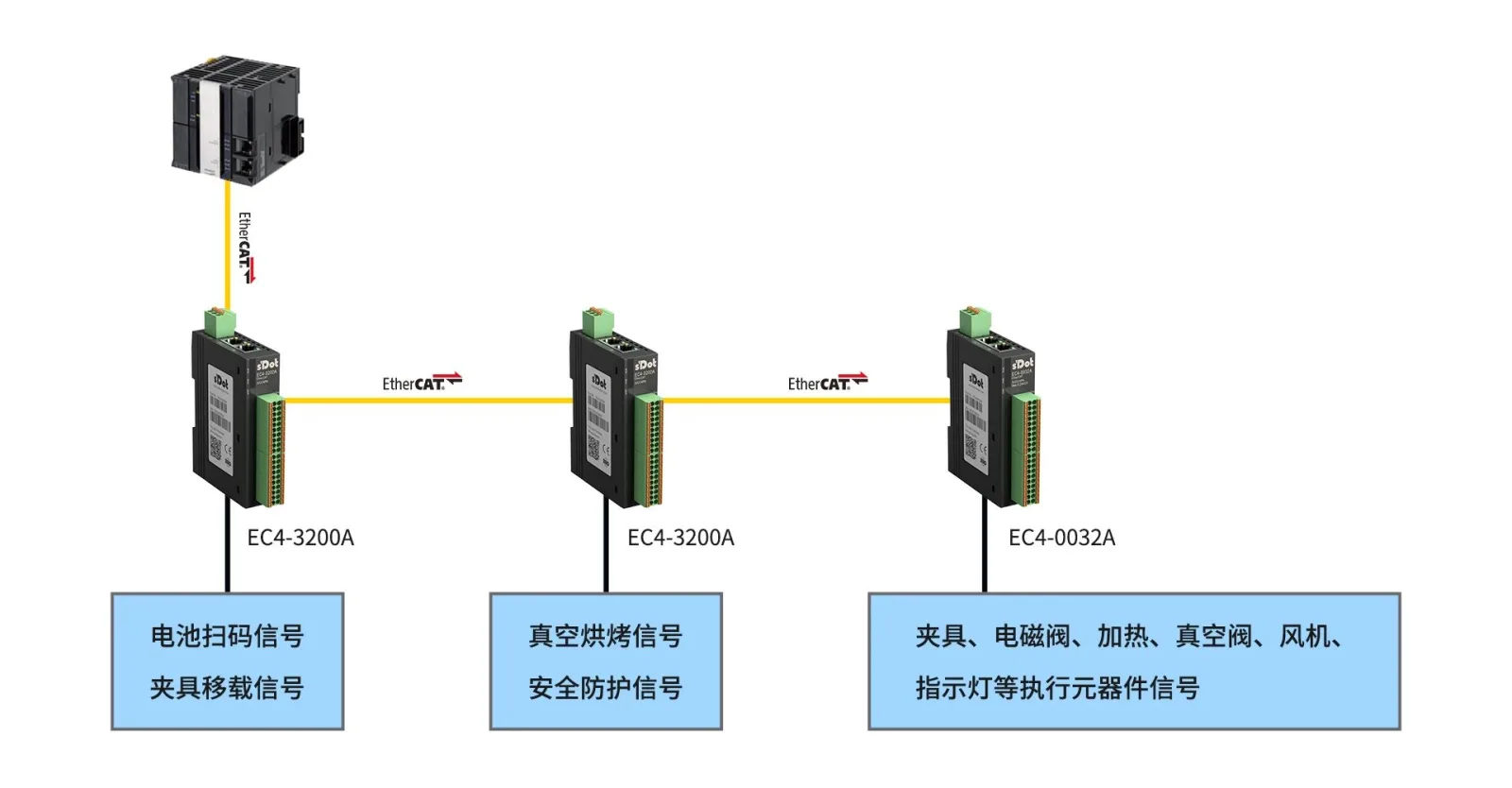
The line uses EtherCAT bus protocol with Omron NJ-series PLCs, integrated with Solidot's EC4-3200A (32-point digital input) and EC4-0032A (32-point digital output) modules. Single modules cover multi-station needs:

EC4-3200A Inputs :

  • Trigger signals, scan completion feedback
  • Fixture positioning and transfer mechanism limits
  • Vacuum pump status, chamber door switches, overtemperature alarms
  • Emergency stops and safety light curtains

EC4-0032A Outputs :

  • Fixture clamping, solenoid valve releases, heating element control
  • Vacuum valve operation, fan activation, indicator lights
Manufacturer application image
Official manufacturer application image

III. Reference Topology

  • PLC : Omron NJ-series
  • Application : Fully Automated Lithium Battery Drying Line
  • Configuration : EC4-3200A , EC4-0032A
Manufacturer application image
Official manufacturer application image

IV. Optimization Results

Solidot's integrated remote I/O modules ( EC4-3200A / EC4-0032A ) meet distributed I/O demands with compact size and high-speed communication. They simplify wiring, reduce maintenance costs, and deliver high reliability for scaled production.

This content is based on the manufacturer’s published Fully automated battery drying lines application, adapted by ProControl while preserving its technical scope. View the official manufacturer source.