Application requirements
I/O density, cycle time, motion or process requirements, field distances and maintenance needs are assessed together. This defines the requirements of the working system, not just individual products.
This home appliances application uses XB6S modular remote I/O to address field control, reliable communication and maintainable commissioning.
I/O density, cycle time, motion or process requirements, field distances and maintenance needs are assessed together. This defines the requirements of the working system, not just individual products.
The proposed architecture combines XB6S modular remote I/O with the machine’s existing control infrastructure and communication protocols. Final product and module selection depends on site requirements.
ProControl can adapt the solution to local project requirements in Türkiye, from site assessment, I/O planning and protocol selection to panel layout, commissioning and after-sales support.
The technical workflow and visual information from the manufacturer are presented below.
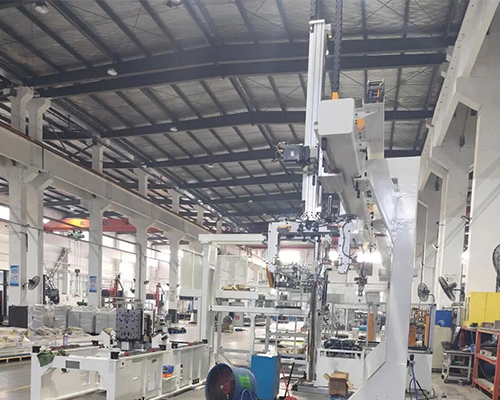
As a common household appliance, the production of dishwashers involves multiple precision processes such as sheet metal processing, component assembly, functional testing, and packaging. The entire line requires efficient coordination of various mechanical and sensor actions like conveying, positioning, gripping, and detection, placing high demands on the control system's real-time response, signal stability, and anti-interference capability. The Solidot Remote I/O Module XB6S series, utilizing the PROFINET bus, provides a highly integrated and reliable signal transmission solution for dishwasher production lines, significantly enhancing equipment automation levels and production consistency.
Products used in this case study:
XB6S-PN2002
XB6S-3200 , XB6S-0032A
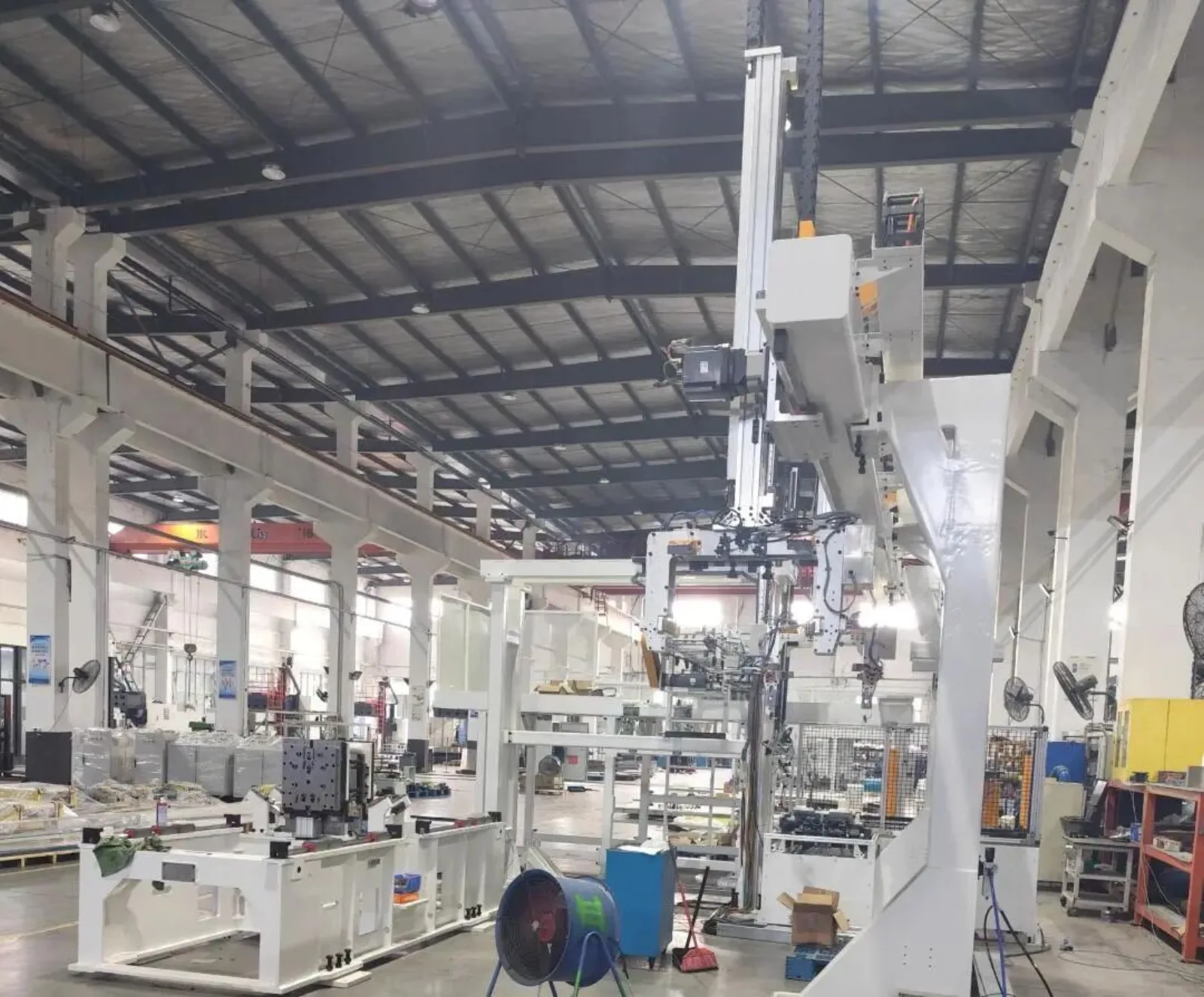
The dishwasher production line primarily includes the following steps: Sheet Metal Loading → Conveying & Positioning → Gripping & Transfer → Assembly & Welding → Leak Testing → Functional Testing → Packaging & Offline
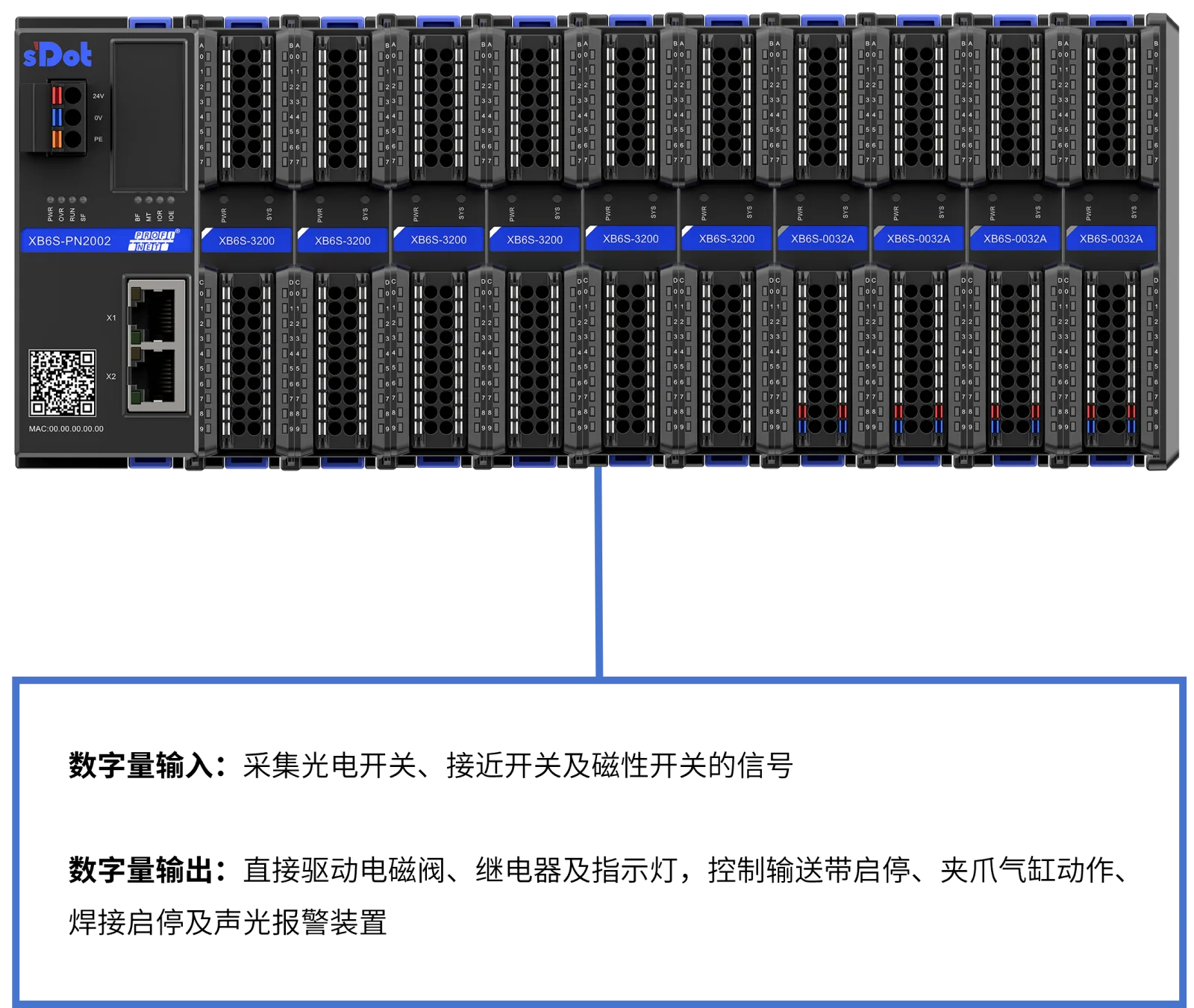
The system employs the PROFINET bus protocol, with a Siemens S7-1500 PLC as the master station, connected to remote I/O modules via the coupler XB6S-PN2002 to form a real-time control network. The PLC handles overall line logic scheduling, motion control, and process management, while the remote I/O modules are responsible for collecting various field signals and outputting execution commands, working together to achieve high-precision and high-response control.
The Digital Input Module XB6S-3200 collects signals from photoelectric sensors, proximity switches, and magnetic switches at various stations: detecting material arrival during loading, providing gripper position status during positioning and clamping, and monitoring clamp sealing status during leak detection. This provides the PLC with accurate status judgment and safety interlock guarantees.
The Digital Output Module XB6S-0032A , with its 0.5A load capacity per channel, directly drives solenoid valves, relays, and indicator lights. It controls conveyor start/stop, gripper cylinder actuation, welding start/stop, and audible/visual alarms, ensuring that actuators at each stage operate accurately according to the process sequence, thereby improving overall line response speed and reliability.
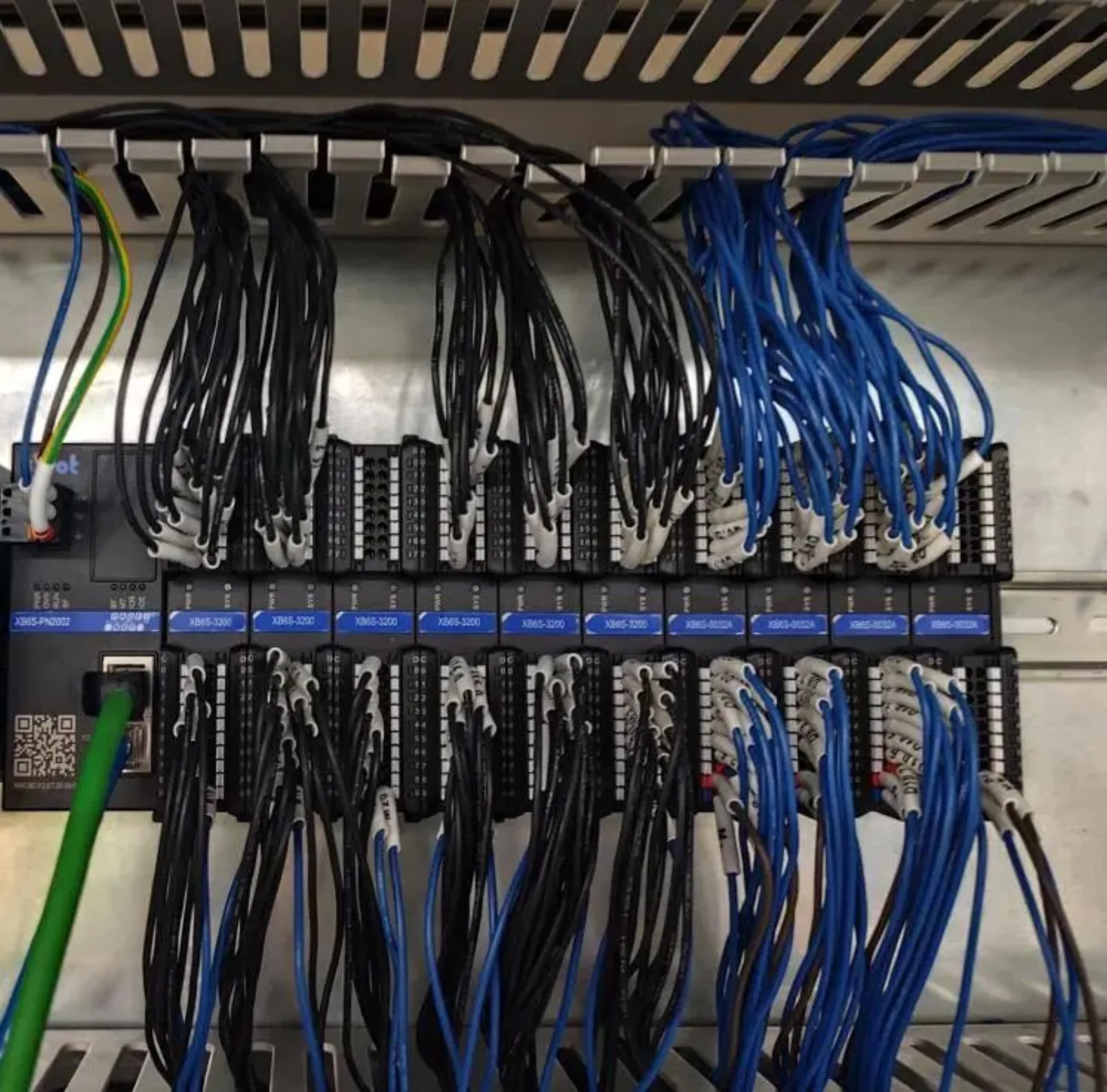
Compared to the customer's original solution, the XB6S series significantly simplifies the wiring architecture through modular integration. While ensuring efficient and stable system operation, it effectively reduces comprehensive operation and maintenance costs. Particularly noteworthy is the scheme's ability, leveraging multi-module coordination and superior anti-interference design, to handle complex industrial environments with multiple interference sources like motors and welding equipment. It effectively solves interference problems during signal transmission, ensures long-term, stable, and reliable system operation, and greatly enhances production line continuity and efficiency.
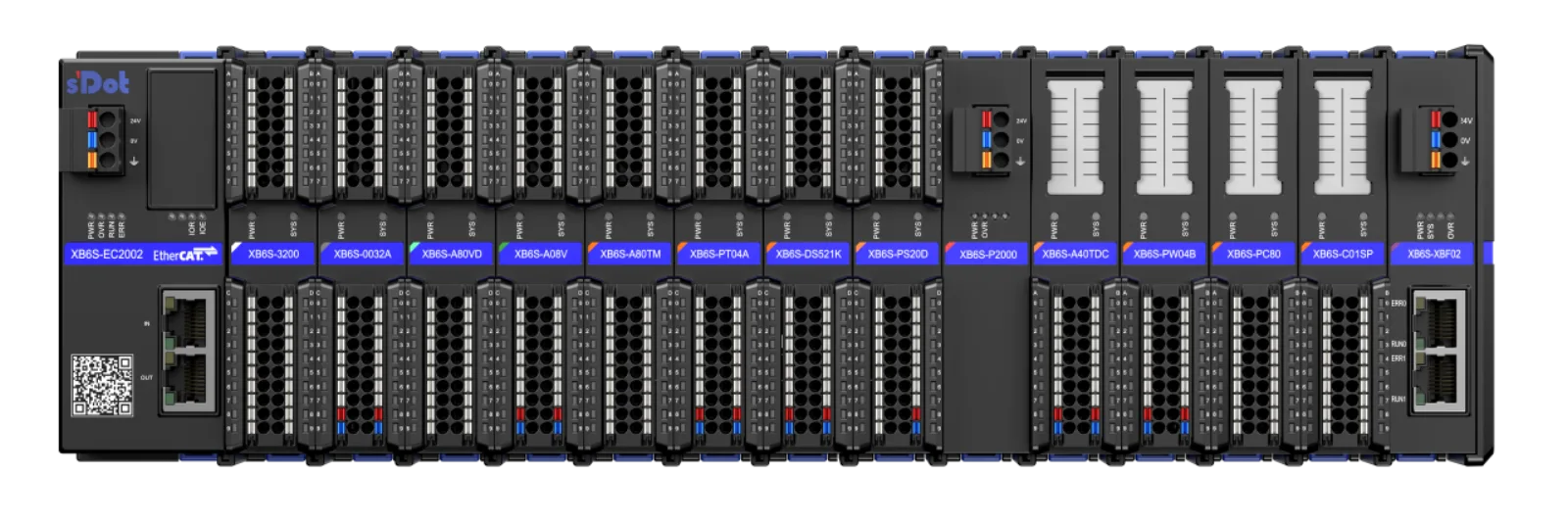
The Solidot Remote I/O Module XB6S series is compatible with various bus protocols and includes functional modules for motion control and temperature acquisition. The products undergo rigorous EMC testing, feature superior noise immunity, and resist disconnections. They support diagnostics, alarms, and anomaly log recording, enabling intelligent feedback and ease of use.