Application requirements
I/O density, cycle time, motion or process requirements, field distances and maintenance needs are assessed together. This defines the requirements of the working system, not just individual products.
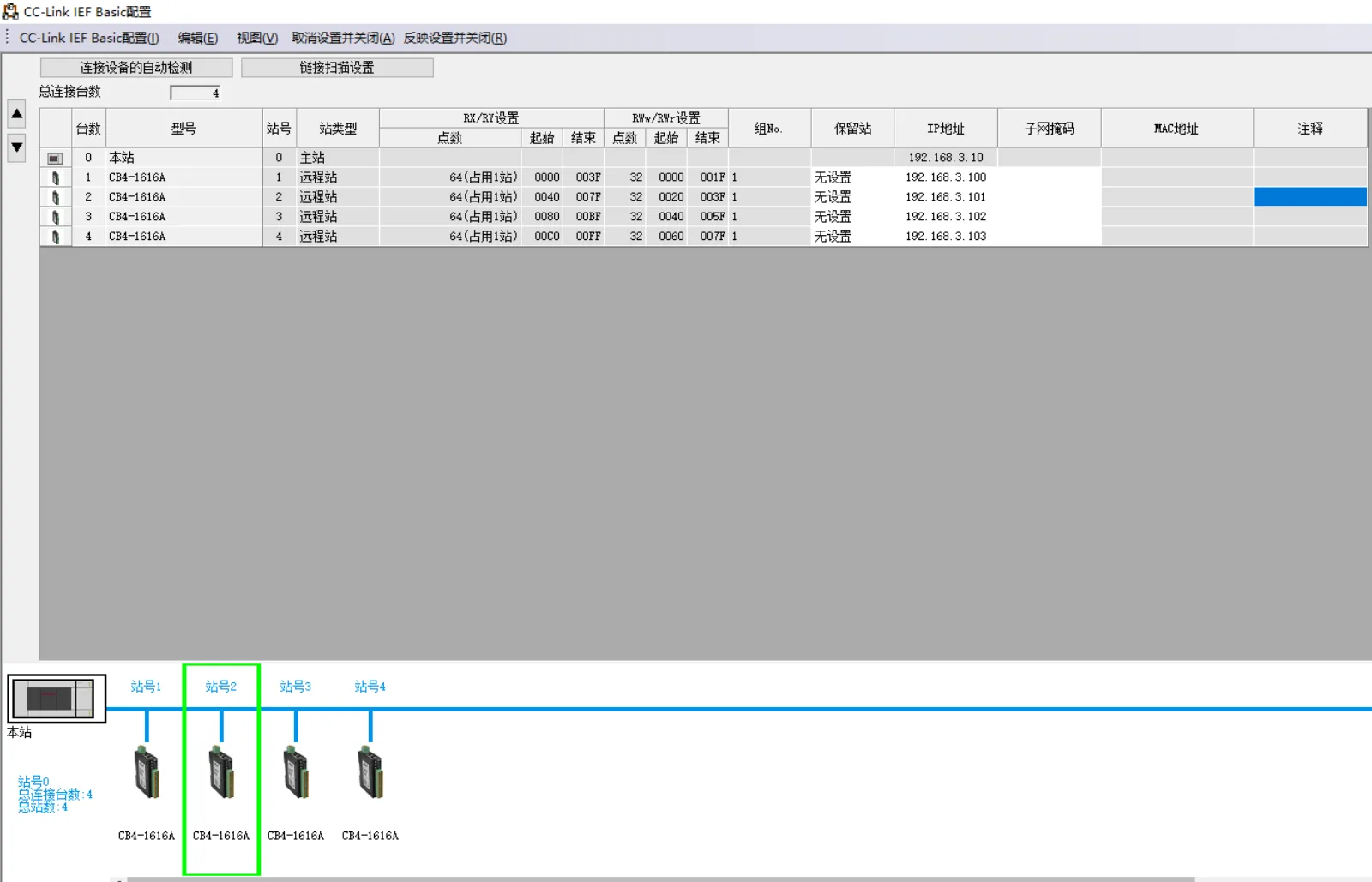
This automotive application uses CC-Link IE Field Basic remote I/O to address field control, reliable communication and maintainable commissioning.
I/O density, cycle time, motion or process requirements, field distances and maintenance needs are assessed together. This defines the requirements of the working system, not just individual products.
The proposed architecture combines CC-Link IE Field Basic remote I/O with the machine’s existing control infrastructure and communication protocols. Final product and module selection depends on site requirements.
ProControl can adapt the solution to local project requirements in Türkiye, from site assessment, I/O planning and protocol selection to panel layout, commissioning and after-sales support.
The technical workflow and visual information from the manufacturer are presented below.
Actual Point Technology has maintained a long-term, sound partnership with Mitsubishi Electric. Since the company's founding, it has established a close relationship with the CLPA organization, and over the years has accumulated deep expertise in CC-Link, CC-Link IE Field Basic and CC-Link IE TSN protocol products.
In recent years, China's automotive industry has developed rapidly, with hybrid and new energy vehicles becoming the main focus of the industry. The government has also introduced a number of supporting policies, including subsidies for purchasing new energy vehicles, as well as corresponding changes to license plates, using vivid green to promote new energy and environmental protection concepts.
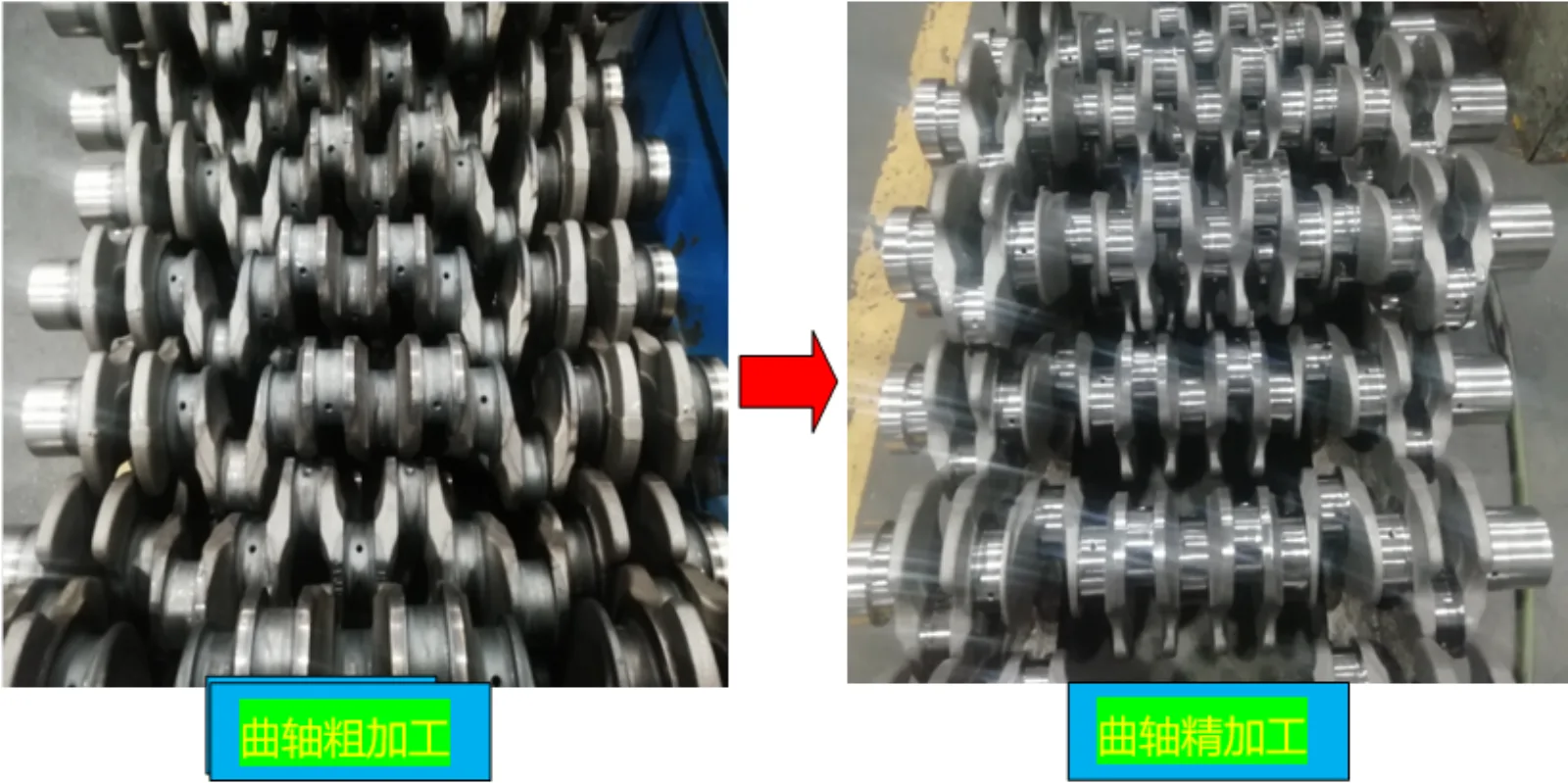
The emergence of new energy vehicles has driven the upgrading of multiple industry chains within the automotive sector. As is well known, the power engine of a car is its core component, and the crankshaft, as one of the most critical parts of the engine, has been in short supply in the market. Crankshaft manufacturers, in response to government policy, have upgraded their workshops, introducing MES systems and connecting the machine tool equipment on every production line to the internet. This initiative has brought about a comprehensive leap in manufacturing equipment, processes and core technologies on the production line, driving and realizing intelligent manufacturing. It has both improved production efficiency and reduced costs, bringing the entire crankshaft production line to an excellent state.
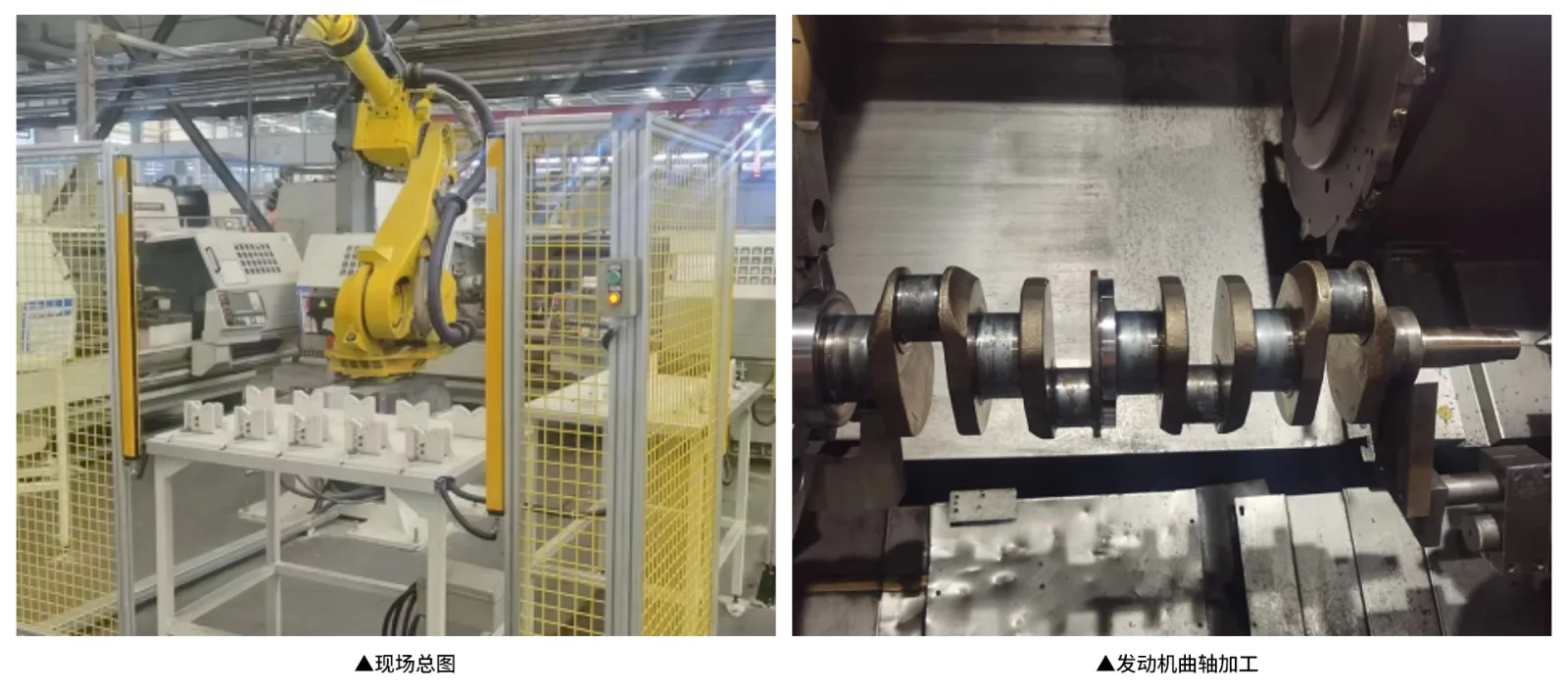
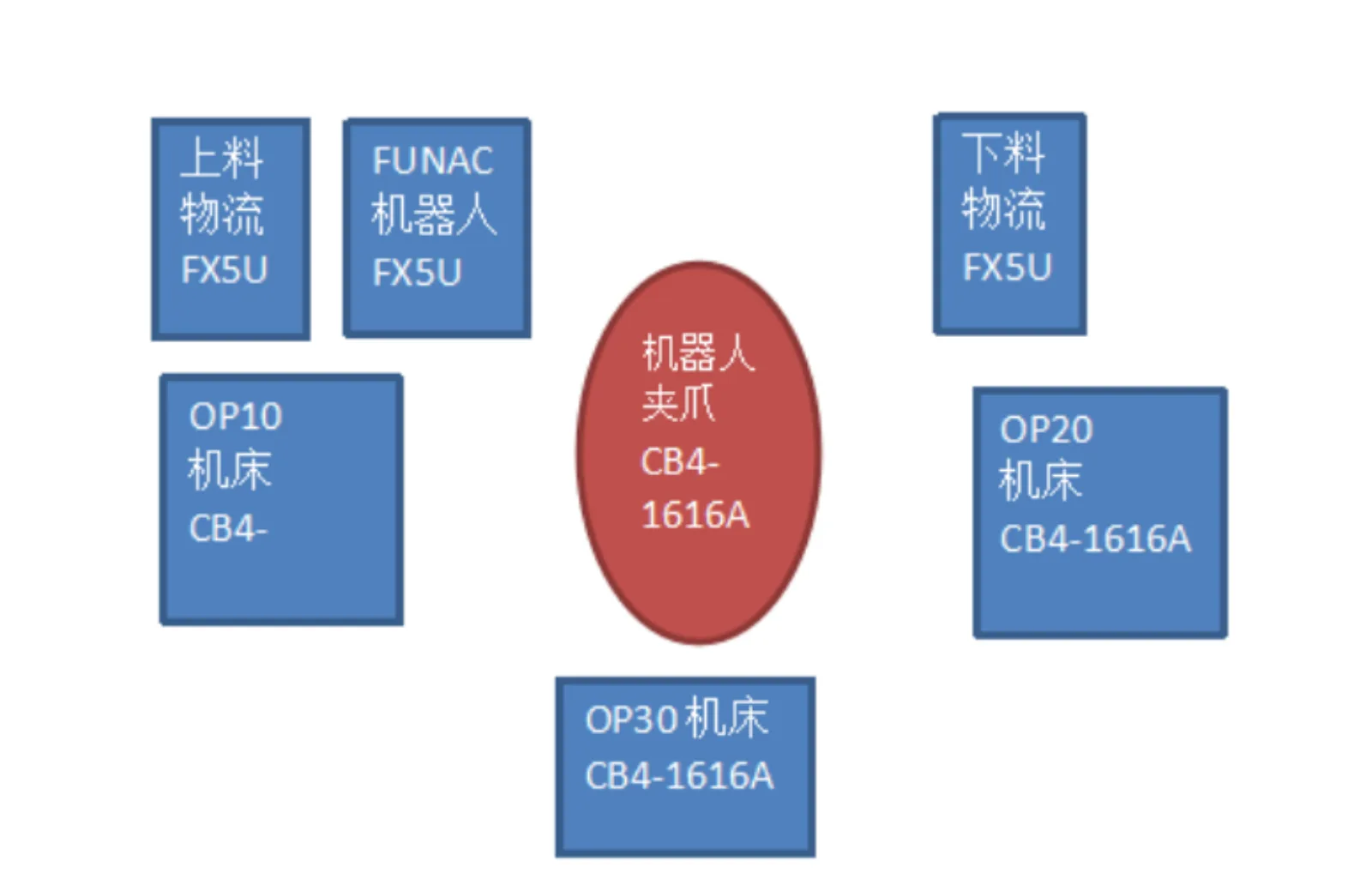
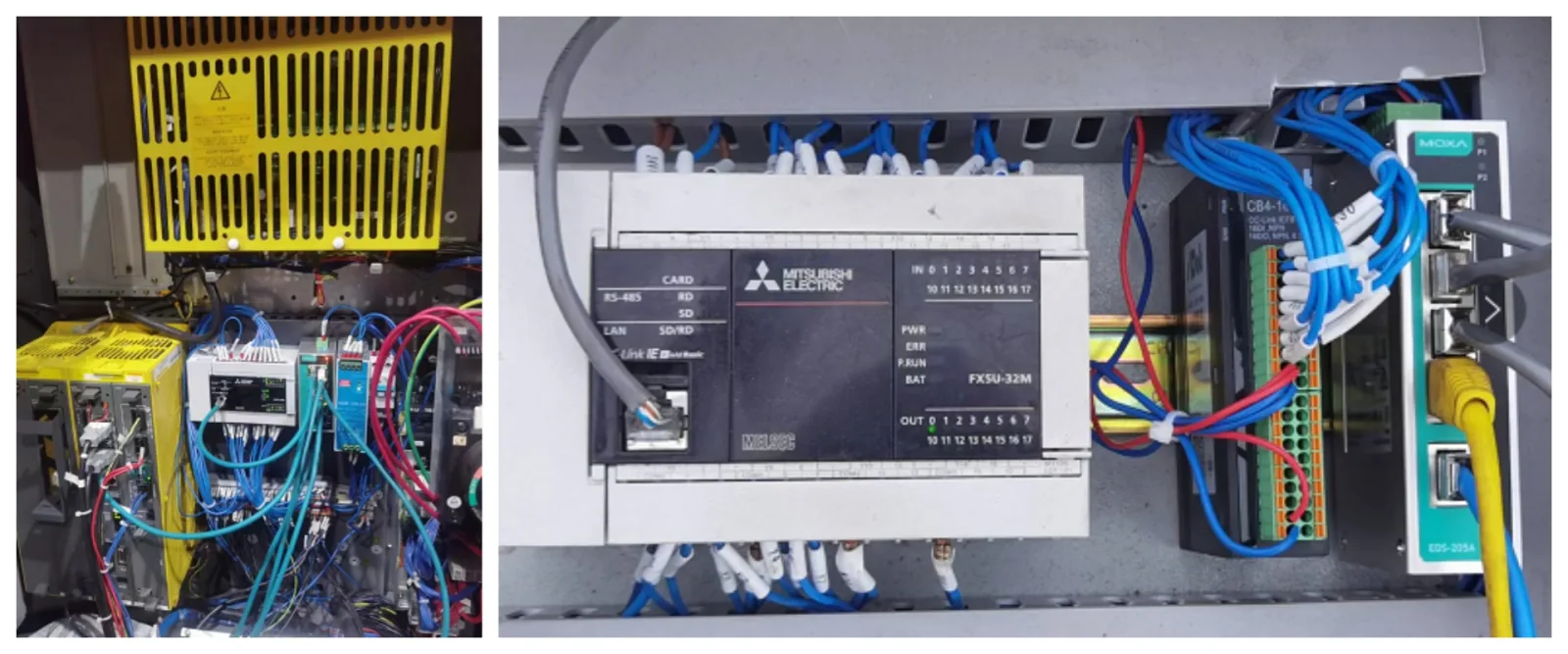
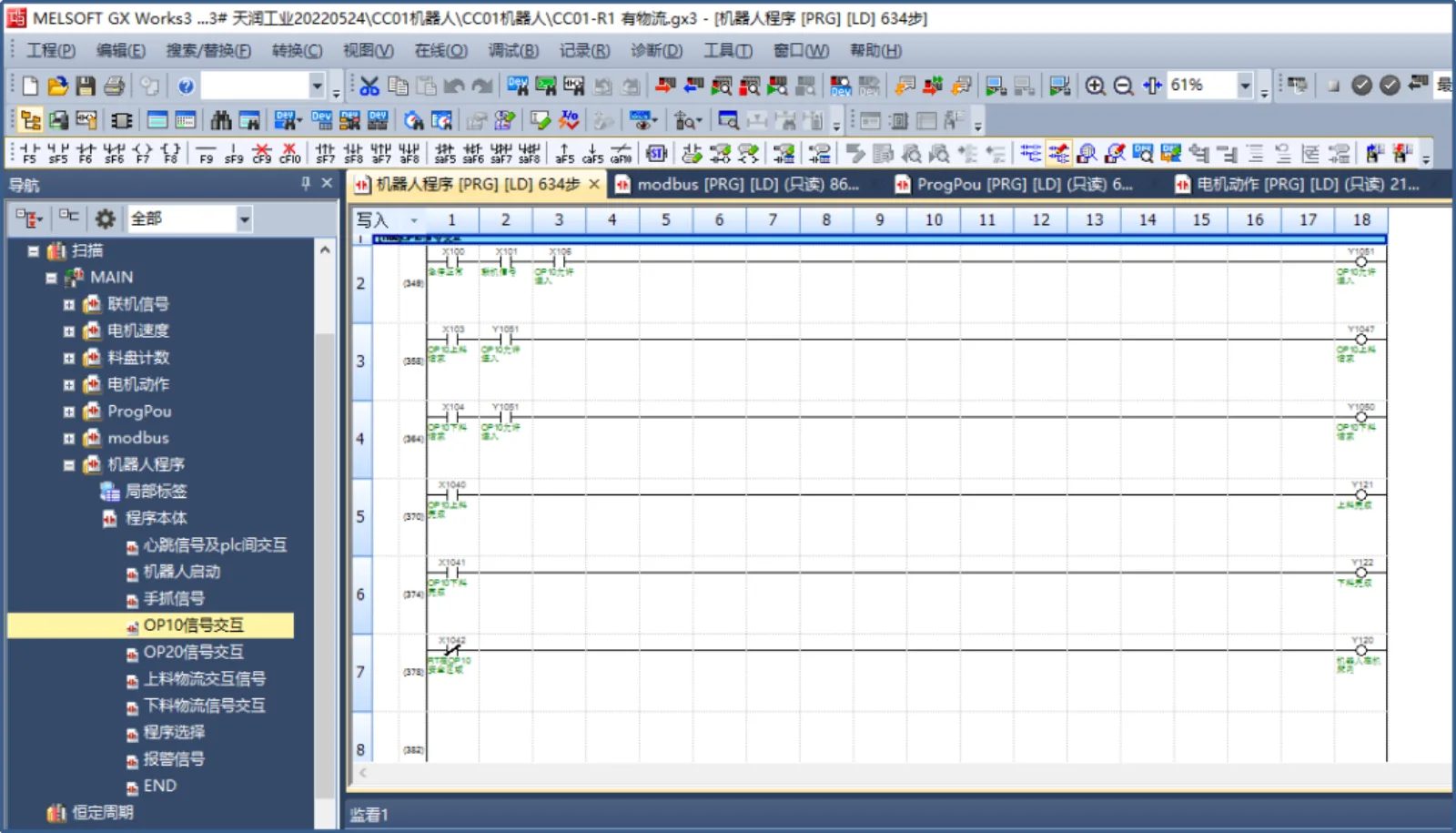
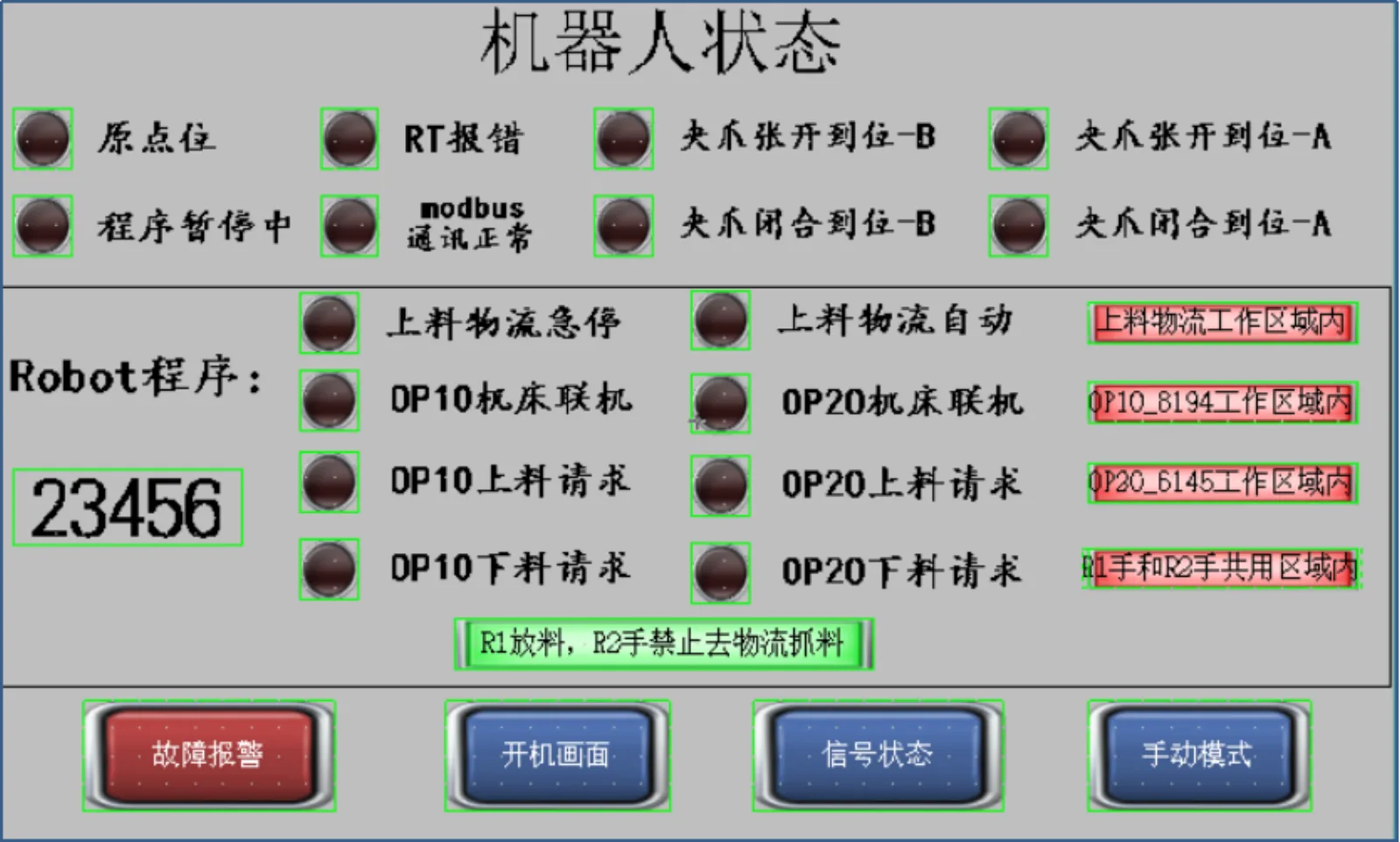
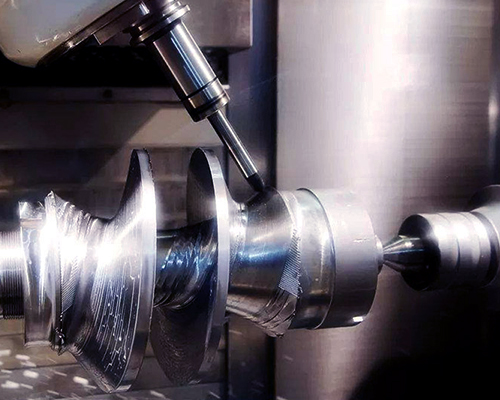
Engine crankshaft Weight ranges from 20 kg to 200 kg. Previously, manual labor and cranes were used to handle the flow of each process. The introduction of KUKA and FANUC robots has greatly reduced manual labor. Forged crankshafts pass through machine tools for loading/unloading logistics, precision milling, precision top machining, straight oil hole drilling, angled oil hole drilling, semi-precision grinding of the connecting rod journal, semi-precision grinding of the main journal, precision grinding of the main journal, precision grinding of the connecting rod journal, big-end drilling, small-end drilling, sampling inspection, turnover station, polishing machine and deburring machines. Among these, the robot control cabinet uses an FX5U, the FANUC robot performs loading and unloading of the machine tools, and each unit has a loading logistics FX5U and an unloading logistics FX5U.