Application requirements
I/O density, cycle time, motion or process requirements, field distances and maintenance needs are assessed together. This defines the requirements of the working system, not just individual products.
This automotive application uses IO-Link master and distributed I/O to address field control, reliable communication and maintainable commissioning.
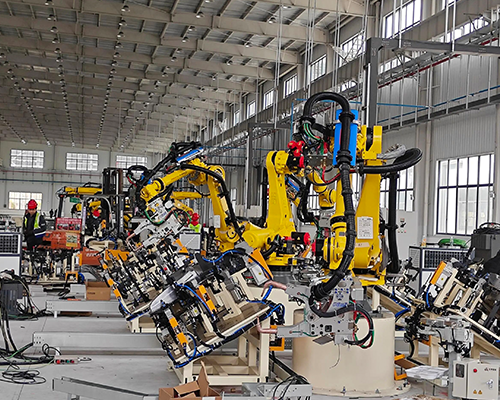
I/O density, cycle time, motion or process requirements, field distances and maintenance needs are assessed together. This defines the requirements of the working system, not just individual products.
The proposed architecture combines IO-Link master and distributed I/O with the machine’s existing control infrastructure and communication protocols. Final product and module selection depends on site requirements.
ProControl can adapt the solution to local project requirements in Türkiye, from site assessment, I/O planning and protocol selection to panel layout, commissioning and after-sales support.
The technical workflow and visual information from the manufacturer are presented below.
Automotive panel welding lines are a critical link in automobile manufacturing. Through the coordinated operation of multiple welding fixtures, they complete the positioning, clamping, and welding of body panel parts, ensuring the precision and strength of the body structure.
Solidot Products Used in This Case:
IOL7-PN01B-8A
(IO-Link Master, PROFINET, 8-channel Class A interface, IP67)
IOL7-16CB-M12
(IO-Link Hub, 16-channel configurable input/output, PNP, IP67)
IOL7-1600B-M12
(IO-Link Hub, 16-channel digital input, PNP, IP67)
IOL7-0016B-M12
(IO-Link Hub, 16-channel digital output, PNP, IP67)
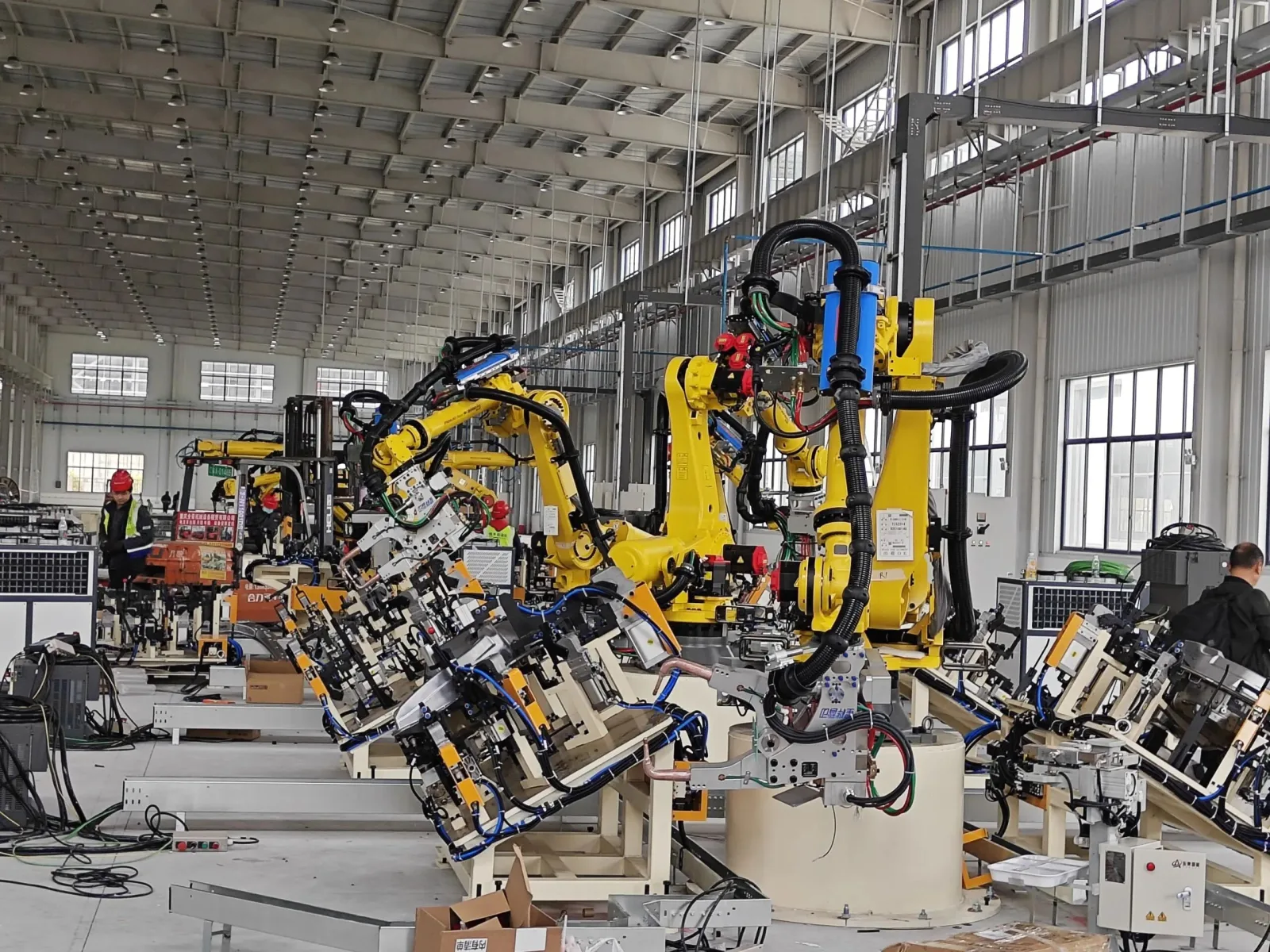
The automotive panel welding line utilizes advanced welding processes. The specific workflow is: Workpiece Loading → Positioning & Clamping → Welding Execution → Status Monitoring → Workpiece Transfer.
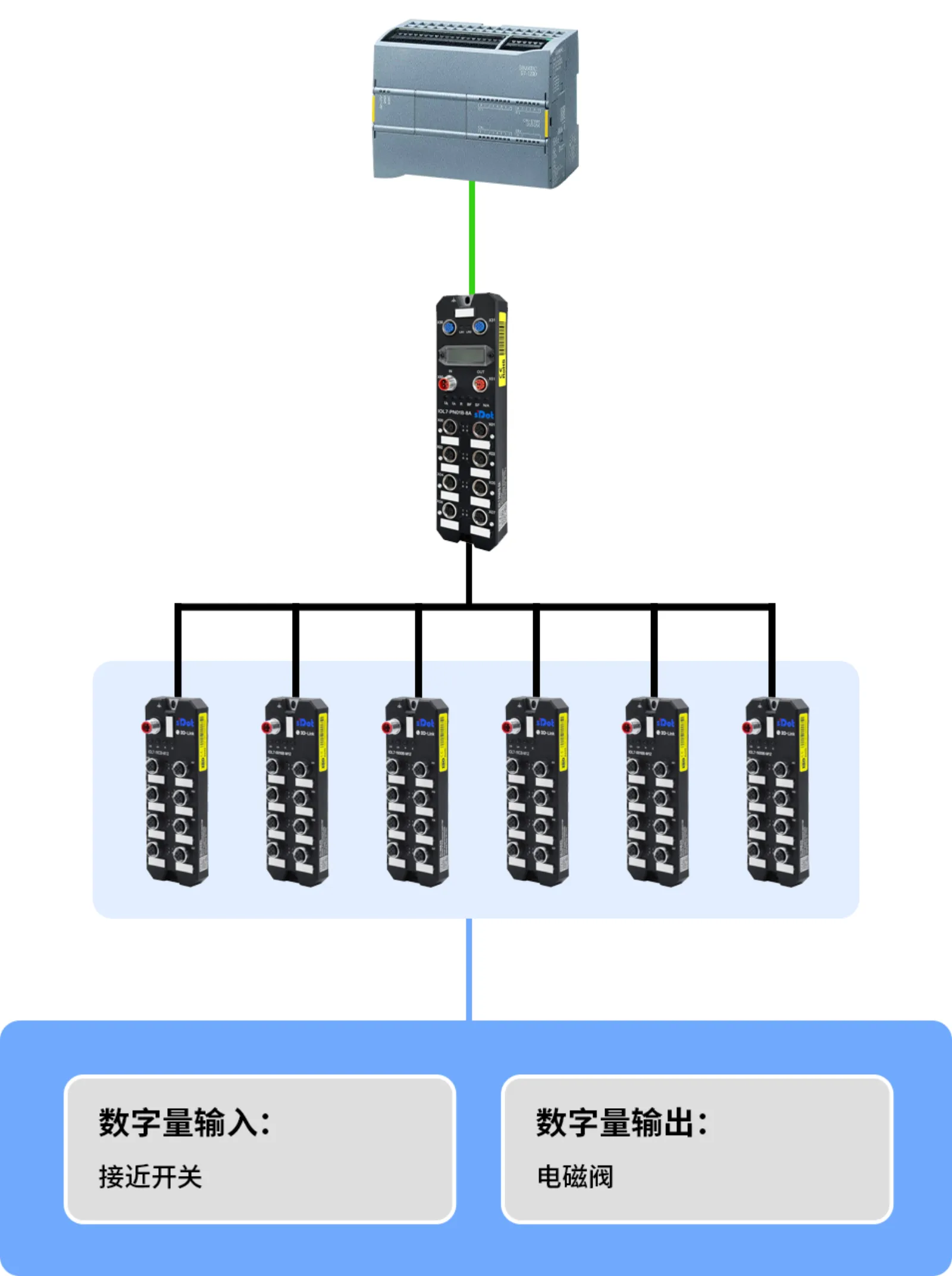
In this case, the welding line uses the PROFINET bus protocol. A Siemens S7-1200 PLC acts as the master controller, connecting via the bus network to multiple Solidot IO-Link bus I/O master modules ( IOL7-PN01B-8A ). Each master module is then connected to 6 slave modules (including IOL7-16CB-M12 , IOL7-1600B-M12 , IOL7-0016B-M12 ). One set of welding fixtures corresponds to one master station and its group of slave stations. One robot work station is configured with 4 sets of fixture units.
The master module ( IOL7-PN01B-8A ) enables data exchange between the PLC and the slaves, supporting remote parameter configuration and real-time status diagnosis. The various slave modules ( IOL7-16CB-M12 , IOL7-1600B-M12 , IOL7-0016B-M12 ) are all used to connect proximity switches and cylinder solenoid valves, achieving signal acquisition and execution control: input modules acquire fixture status signals, and output modules drive cylinder actions, ensuring the welding process is synchronized and precise.
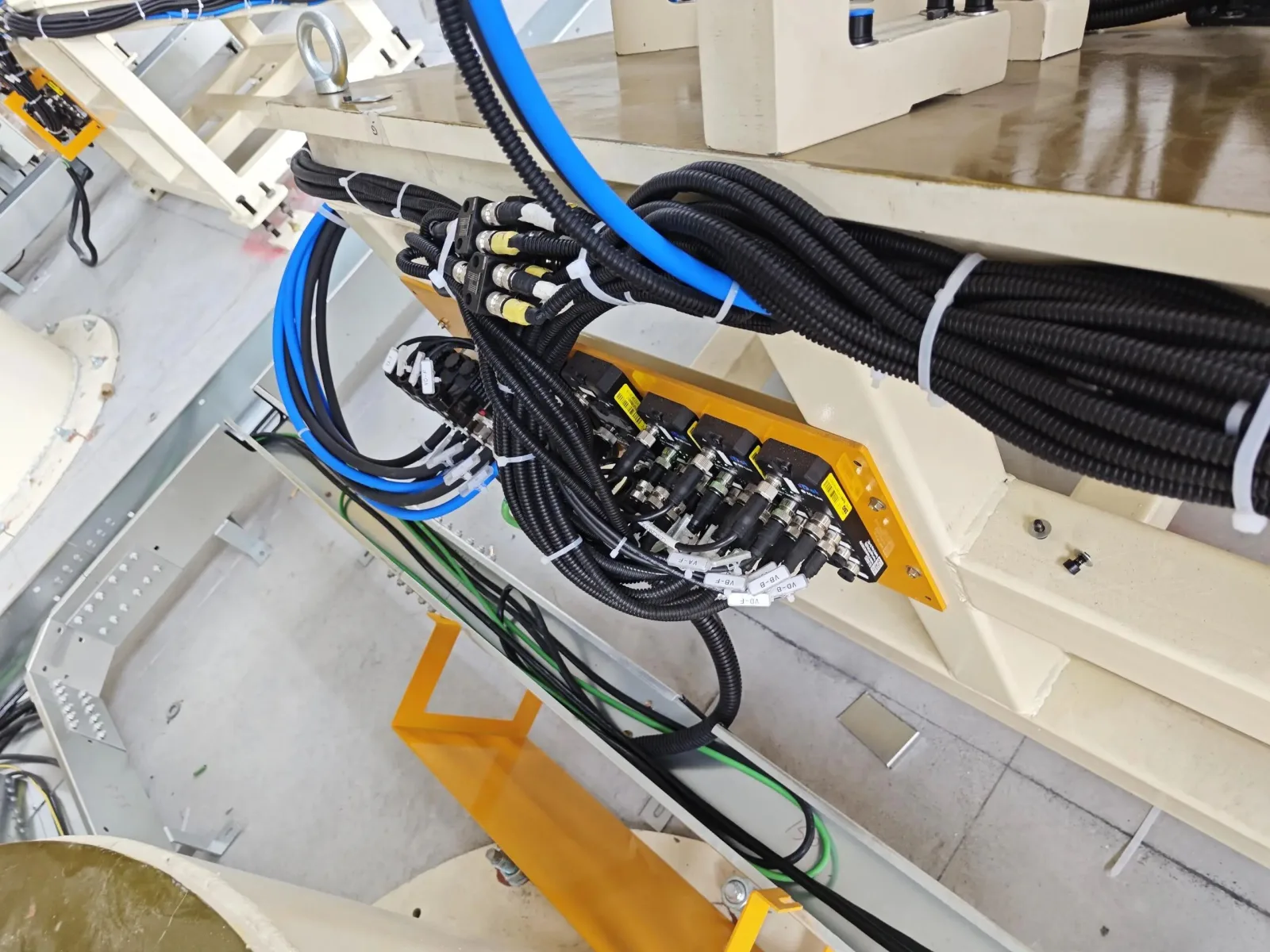
After adopting the Solidot IO-Link bus I/O solution, the system effectively optimized the wiring structure and maintenance mode while maintaining high performance. The connection between the master and slaves uses standard cables. Remote parameter configuration and real-time diagnostic functions improved commissioning and maintenance efficiency, while the system's anti-interference capability and stability were ensured.
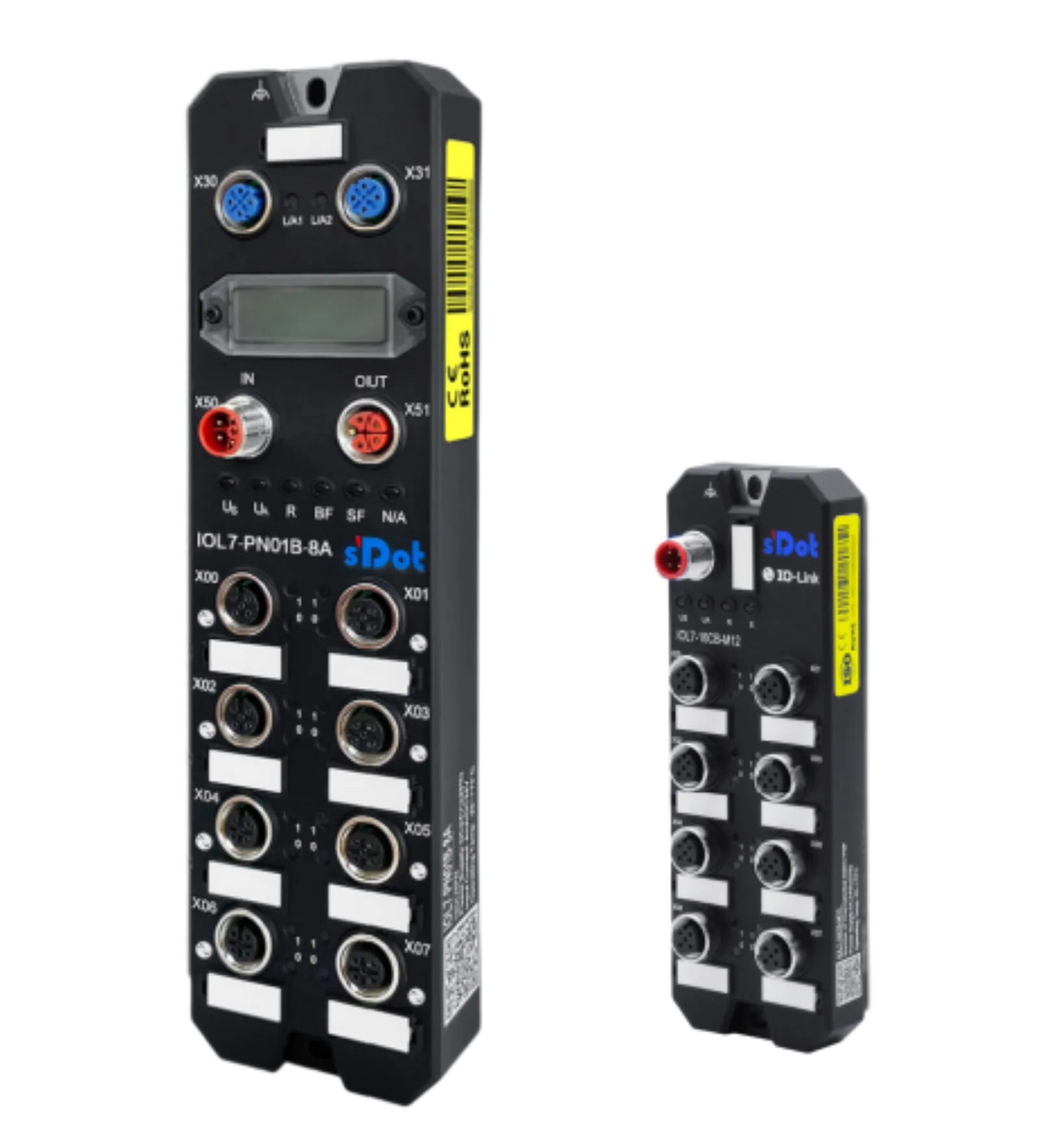
Solidot's IO-Link bus I/O modules can adapt to bus protocols such as EtherCAT and PROFINET. They feature plug-in (Slice-type) connectivity, diagnostic options, IP67 protection rating, shock resistance, and vibration resistance. Solidot IO-Link Bus I/O is widely used in industrial scenarios such as automotive manufacturing and logistics, enabling rapid device connection, efficient data transmission, and intelligent system management, thereby improving production efficiency.