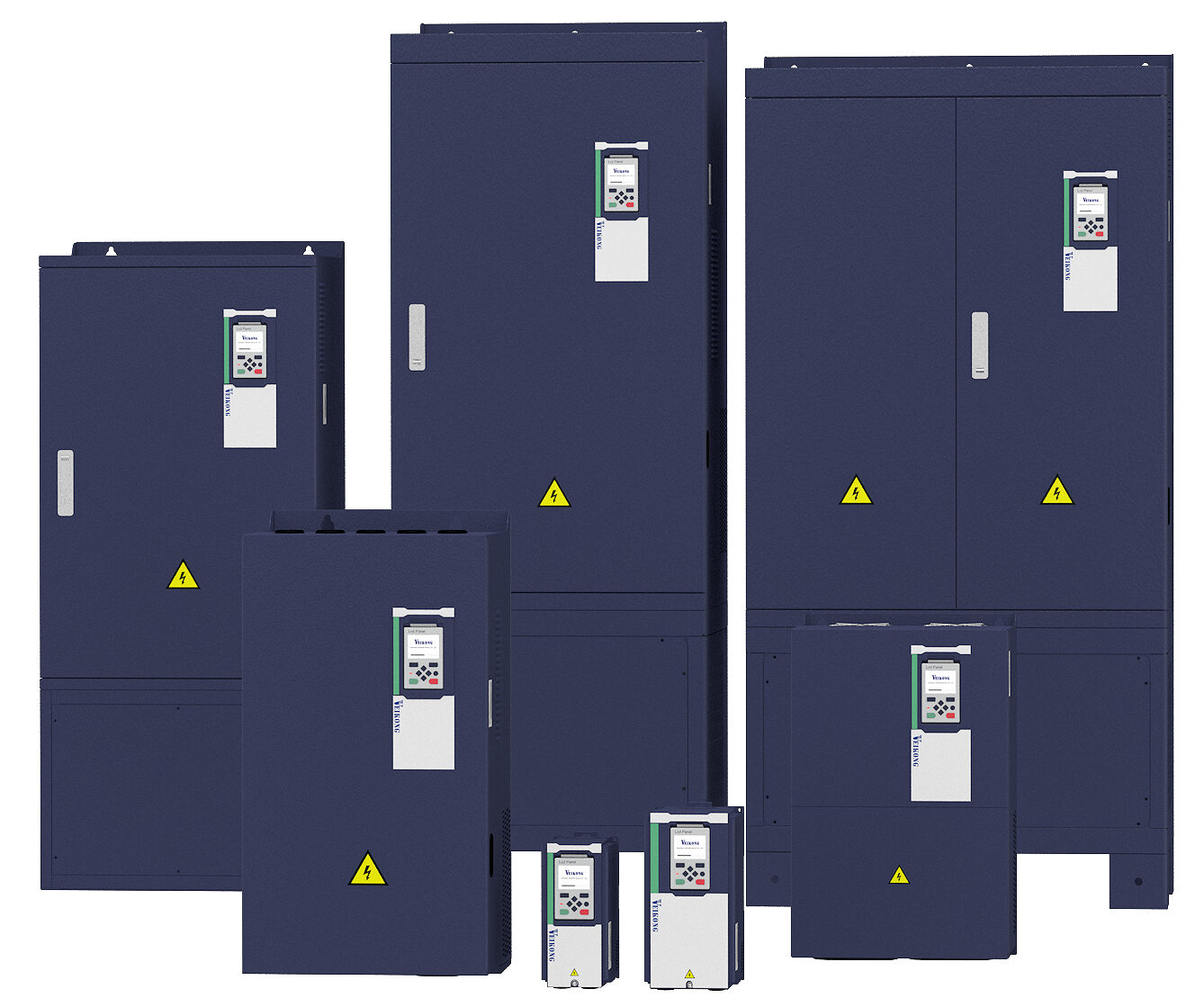
VFD500
General-purpose vector-drive candidate; current, duty class, STO and network card are verified from the exact order code.
Open technical pageCompare ACS580 and VFD500 for pump, fan, conveyor, compressor and mixer duties by current, process functions, enclosure and safety.
The entire 0.75–500 kW ACS580 portfolio does not overlap VFD500. Only models sharing voltage, motor current, load type, enclosure and option windows can enter an engineering comparison.
The exact configuration is selected after engineering review.
General-purpose vector-drive candidate; current, duty class, STO and network card are verified from the exact order code.
Open technical page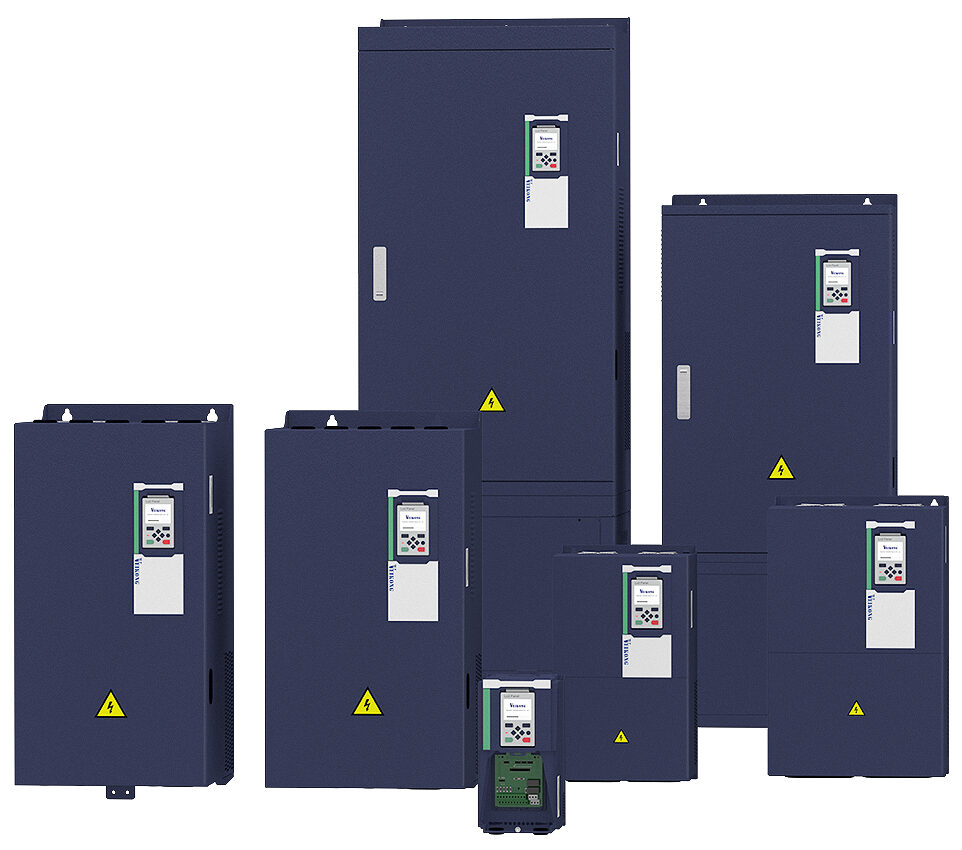
Second candidate for projects needing IM/PMSM, PG feedback and machine logic; the safety function is engineered separately.
Open technical pageThe table explains product architectures; it is not an exact order-code selection.
| Validation area | ABB ACS580 | Veikong / ProControl candidate |
|---|---|---|
| Load characteristic | ACS580 is an ABB family for general-purpose loads such as pumps, fans, conveyors, compressors and mixers. | VFD500 is a candidate for variable- or constant-torque loads; VFD530 is assessed separately when feedback or lifting logic is needed. |
| Voltage, current and duty | The ACS580 family publishes a 200–480 V and 0.75–500 kW scope; frame and current vary by model. | VFD500 is selected not by the kW label, but by continuous output current, overload percentage and ambient derating at the same voltage. |
| Process control | ACS580 panel, PID, energy functions and ABB all-compatible architecture depend on product configuration. | VFD500 PID, sleep, fire mode and logic functions are tested against the use case; similar names do not establish identical behaviour. |
| STO and machinery safety | ABB's official page states SIL3 STO for ACS580; application depends on certificate and circuit. | The ABB safety circuit is not considered preserved until VFD500 STO certificate scope and terminal architecture are verified. |
| Enclosure and environment | ACS580 is available in several installation types including IP21 and IP55; EMC and reactor hardware vary by model. | VFD500 IP/EMC, cooling, reactor and braking hardware are incorporated into the panel design; the same footprint is not assumed. |
| Automation migration | ABB fieldbus adapter, parameter backup, fault/event structure and panel workflow are plant-specific. | The VFD500 card, PLC data map, analogue scales and alarm classes are mapped from scratch; the backup file is not converted. |
No. It is not a direct substitute until exact model, electrical, protocol-role, mechanical, software and certification checks pass.
The exact existing code, diagram or I/O list, PLC/network data, supply, environment and special functions in use.
Only after an appropriate IP55 enclosure, thermal calculation, EMC and site environment are redesigned can candidacy be assessed; an open-type drive is not IP55.
Official manufacturer sources: ABB ACS580 official product page · Veikong VFD500 official product page · Veikong VFD500 official brochure
This content compares manufacturer-published data under the same project requirement; it does not guarantee direct substitution or project compatibility. ProControl engineering must validate exact model, revision, protocol, electrical, safety and environmental conditions.
Share the exact existing code, I/O list, network and environment so we can identify the right solution without assumptions.