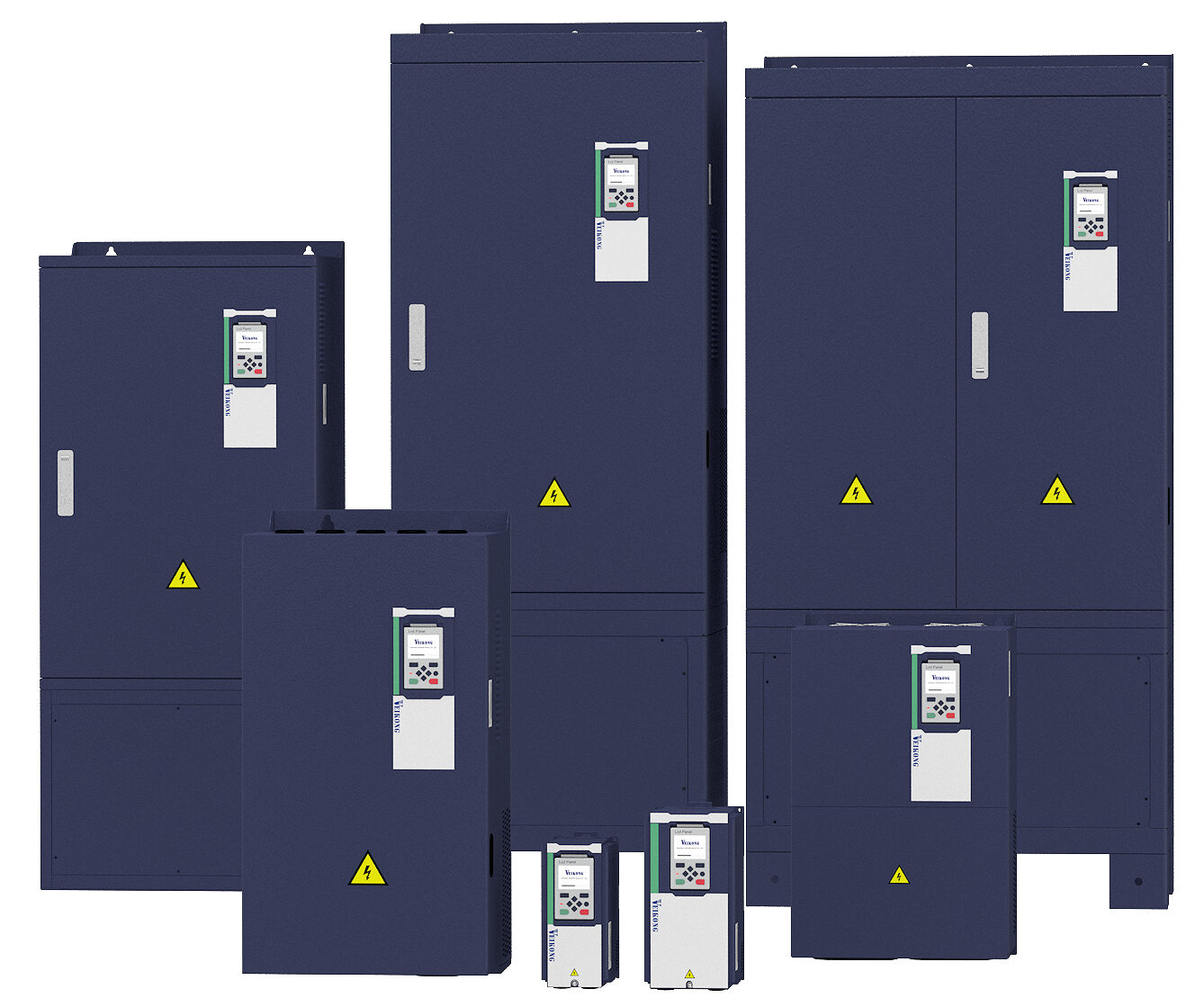
VFD500
General-purpose vector-drive candidate; current, duty class, STO and network card are verified from the exact order code.
Open technical pageCompare G120C and VFD500 by motor control, duty class, safety, communications, braking and commissioning on a project basis.
VFD500 is not a part that can replace G120C while retaining its connections. It can be a technical candidate for conveyors, pumps, fans or general machinery when motor nameplate current, HD/ND duty, safety and Siemens-network integration can be re-engineered.
The exact configuration is selected after engineering review.
General-purpose vector-drive candidate; current, duty class, STO and network card are verified from the exact order code.
Open technical page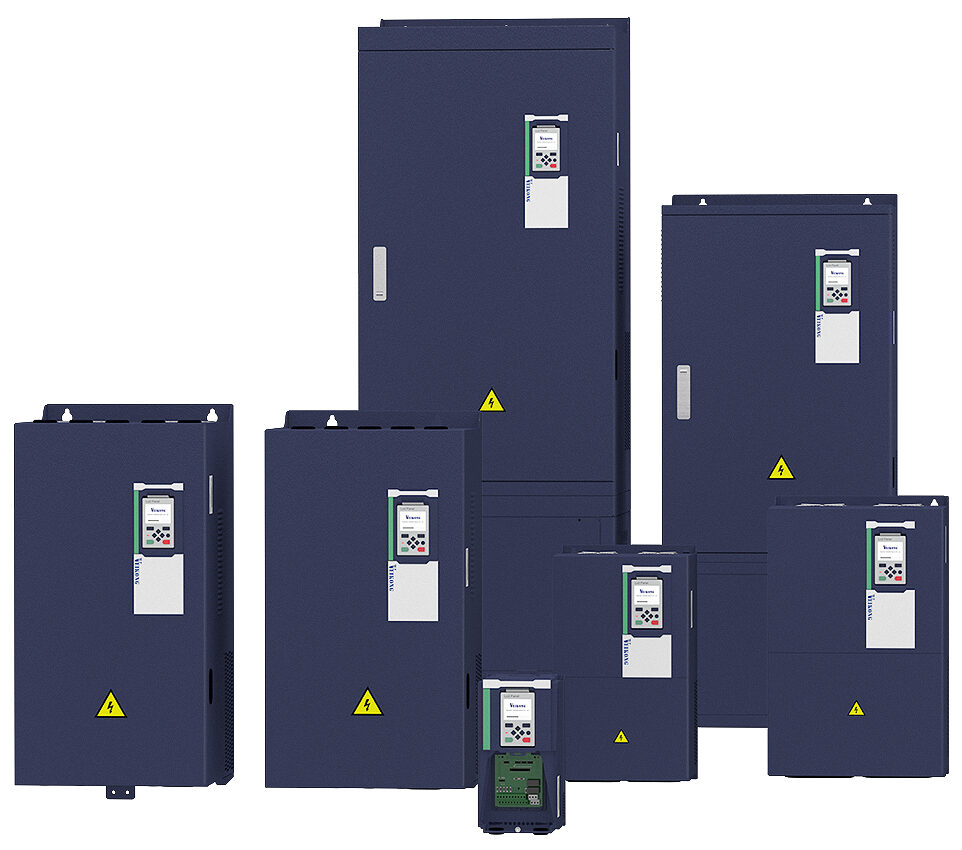
Second candidate for projects needing IM/PMSM, PG feedback and machine logic; the safety function is engineered separately.
Open technical pageThe table explains product architectures; it is not an exact order-code selection.
| Validation area | Siemens SINAMICS G120C | Veikong / ProControl candidate |
|---|---|---|
| Application and power window | Siemens positions G120C as a 0.55–132 kW compact-drive family; exact selection depends on voltage and current. | For VFD500, only output current and duty rows in the same supply class are matched; VFD530 is assessed separately when PG or PMSM is required. |
| Motor and control | The official G120C page specifies sensorless vector control; motor and control mode are selected in the order-code/firmware context. | VFD500 supports assessment of V/f and sensorless vector, with optional closed-loop operation; motor type and autotune are verified in a field test. |
| Safety chain | The G120C family includes integrated STO, with project details varying across the Siemens safety ecosystem. | The presence of STO on VFD500 is not sufficient; terminal behaviour, certification level, stop category and external-contactor architecture are verified. |
| Communications | G120C's Siemens automation network and commissioning tools depend on the selected variant. | For VFD500, Modbus, CANopen, PROFINET, EtherCAT or TCP is confirmed by exact card code and PLC telegram. |
| Overload and braking | G120C sizing uses load profile, cycle, overload and braking energy. | VFD500 model current, HD/ND row, braking-chopper status and resistor calculation are redone against the same mechanical cycle. |
| Migration and acceptance | STARTDRIVE/TIA parameters, telegrams and fault codes are specific to the existing project. | Parameters are not transferred automatically; I/O, scaling, direction, ramps, fault response and STO are accepted by unloaded and then loaded FAT. |
No. It is not a direct substitute until exact model, electrical, protocol-role, mechanical, software and certification checks pass.
The exact existing code, diagram or I/O list, PLC/network data, supply, environment and special functions in use.
No. The device file, telegram, parameter addresses, fault words and safety validation must be rebuilt.
Official manufacturer sources: Siemens SINAMICS G120C official product page · Veikong VFD500 official product page · Veikong VFD500 official user manual
This content compares manufacturer-published data under the same project requirement; it does not guarantee direct substitution or project compatibility. ProControl engineering must validate exact model, revision, protocol, electrical, safety and environmental conditions.
Share the exact existing code, I/O list, network and environment so we can identify the right solution without assumptions.